


How much Apple hardware is available in the UK?
Despite a wealth of device manufacturers and a variety of operating systems, Apple hardware remains a distinct breed
Walk into any electrical store, and the array of contemporary technology on sale is baffling.
There are laptops, desktop computers and hybrid devices. There are dumbphones, folding smartphones, tablets, phablets and 2-in-1 devices sporting fold-out keyboards.
And while Microsoft’s Windows remains the world’s pre-eminent operating system, Google’s Chrome OS and Linux are enduringly popular competitors.
Indeed, Linux underpins the Android OS running on half of the smartphones (and almost half of the tablet devices) sold in the UK last year.
Then there’s Apple, which has steadfastly ploughed a separate furrow since the launch of the Apple I computer almost exactly fifty years ago.
Today, Apple offers a comprehensive array of hardware, software and utilities, all designed to prevent consumers straying outside this self-contained ecosystem.
But how much Apple hardware is available, and could a typical household rely solely on the company’s products?
In the market
Firstly, it’s worth noting Apple has historically shied away from many computing and hardware sectors.
You won’t find an Apple-branded printer, scanner or broadband router in the aforementioned electrical store, for instance. Nor will you find TVs, hi-fi equipment or games consoles.
What you will find is an array of desktop and laptop computers, ranging from the space-efficient Mac Mini to Mac Pros which can be specified to cost more than £13,000 each.
Beside them will be the products that made Apple’s name in the Noughties – the iPhone and iPad ranges, both capped by high-spec and high-value Pro versions.
These devices are renowned for their crystal clear screens, which have also been co-opted into a range of display monitors that routinely cost more than a high-end gaming PC rig.
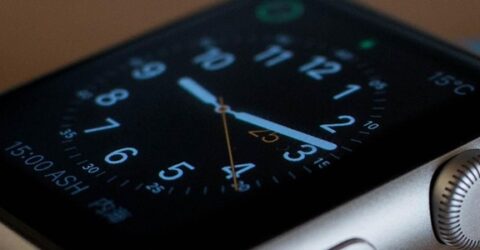
Then there are the lifestyle accessories – the HomePod smart speaker, the in-ear AirPods and the Apple Watch range with various designer brand collaborations.
Other current product ranges have hitherto failed to make much of a breakthrough, such as the Vision Pro VR headset or the Apple Pencil stylus.
A similar argument could be levelled against Apple TV+, which remains in the shadow of Netflix and Disney+ as well as domestic alternatives like the BBC iPlayer and NOW TV.
However, the software underpinning Apple technology is successful and sought-after in equal measure.
Quite apart from its macOS and iOS operating systems, its proprietary Music, Podcasts and Books services are hugely popular among consumers.
All that glitters…
We’ve previously discussed how Microsoft’s operating systems had as many failures as successes, and why Google has burned through so many unsuccessful products and services.
The same is true of Apple, which has its own roster of hardware and software that never achieved mainstream adoption – though they might have changed its image if they had.
From the unreliable and bulky Macintosh Portable to the underpowered and costly Power Mac G4 Cube, many failed creations weren’t marketed long enough to become infamous.
Innovations like the round mouse and Pippin games console were flawed concepts, while the Newton PDA was flawed in its execution, routinely failing to recognise stylus inputs.
Apple has unsuccessfully tried to market TV screens and social media networks, while its Firewire cable carried a prophetic warning about the recent demise of the Lightning cable.
No doubt one or two of today’s hardware ranges will also be quietly dropped in the near future.
Yet it’s impossible to deny Apple’s bold track record of innovation over the last half a century.
And without those bold and high-concept failures, Apple hardware wouldn’t be the success it is today.